
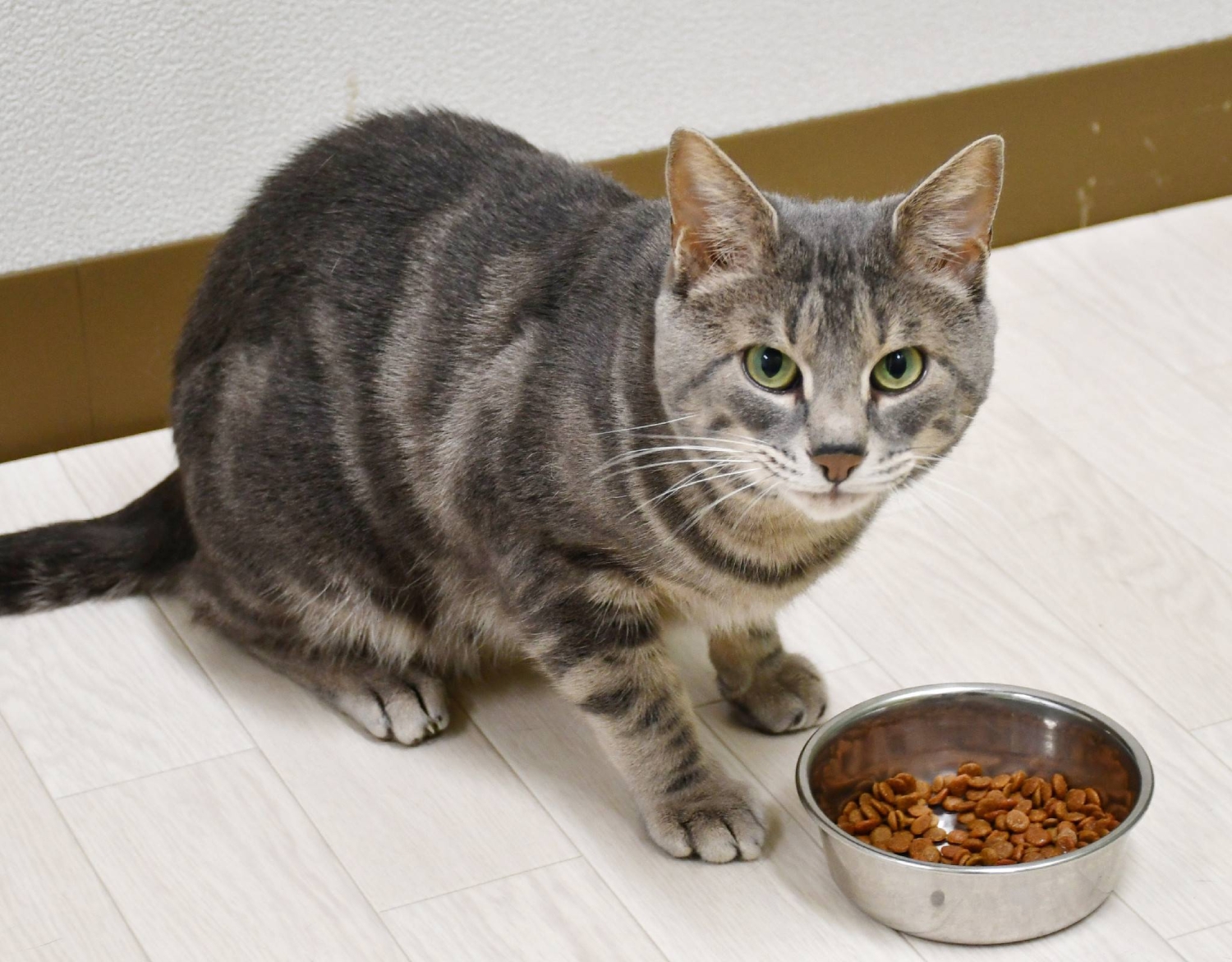
Cats are very picky when it comes to mealtime. Some of them like wet food, and some like dry food. A very common question that every cat guardian asks is: Should I go for kibble or canned food? The answer is not black and white.
The debate between dry and wet diets isn’t new. But the real question isn’t which one is trendier. Each option has some good points and bad points. In this article on the healthiest dry cat food and healthiest wet cat food comparison, we will help you decide the top pick for your cat.
Understanding the Basics: Dry vs. Wet Food
Before choosing the best cat food, you need to know what separates the two.
Cat dry food (kibble) contains around 8-12% moisture.
Cat wet food (canned or pouch) contains about 70-80% moisture.
That single difference changes everything from hydration levels to calorie density.
Both types tick all the nutrition boxes that a cat food needs to. But how they impact your cat’s health depends on their age and stage of life.
Dry Food
Dry food is popular for a few reasons. It offers shelf-stable convenience and is usually more affordable per serving.
Pros of Dry Cat Food
1. Dental Support
While not a replacement for brushing, the crunchy texture of dry food provides a mild abrasive action. For cats prone to dental issues, certain high-quality kibbles are specifically shaped to help reduce plaque and tartar buildup during chewing.
2. Portion Control
You can measure it accurately. There are fewer chances of overfeeding with this food option. This helps with weight management.
3. Longer Shelf Life
Unopened bags last longer. Even opened ones stay fresh longer than wet food when stored properly.
4. Budget-Friendly
A big plus of dry cat food is that it is usually more economical for multi-cat households. This is great for pet guardians with two or more cats and does not put pressure on their pockets.
But here’s the key: Not all kibble is created equal.
At the time of choosing dry food, look for the healthiest dry cat food that lists real animal protein as the first ingredient. Don’t pick products with excessive fillers, artificial colors, and vague meat by-products. Cats are obligate carnivores. So, protein should always lead the ingredient list.
Wet Food
Now let’s talk about canned goodness. The biggest advantage of the healthiest wet cat food? Moisture. Compared to dry food options, wet food has extra wet content.
Cats naturally have a low thirst drive. In the wild, they get most of their hydration from prey. Cats may not drink enough water to compensate for the dryness of the dry food. So, wet food is great for cats who drink less water.
Pros of Wet Cat Food
1. Urinary Health Support
Higher moisture content helps dilute urine. This reduces the risk of urinary tract issues.
2. Easier to Eat
Older cats with dental problems find wet food easier to chew. The soft texture of this food option attracts cats to have more.
3. Lower Carb Content
Many wet formulas contain fewer carbohydrates than kibble. Low-carbohydrate diets are sometimes recommended for diabetic cats. Wet food is the best pick for that.
4. Highly Palatable
Picky eaters often prefer the strong aroma and varied textures of cat wet food. For cats with a diminished sense of smell or those who are simply “fussy,” wet food is often more enticing than dry kibble.
However, wet food is usually more expensive. It also needs refrigeration after opening and can spoil quickly if left out.
Nutrition Breakdown: What Really Matters?
Instead of asking “dry or wet,” ask this: Is it nutritionally complete and appropriate for my cat?
Here’s what to evaluate in both:
1. Protein Quality
Look for named animal proteins like chicken, salmon, or turkey. Cats need high-quality protein for muscle maintenance and energy.
2. Fat Content
Cats need healthy fats to support skin, coat, and brain function. Wet cat food checks all these boxes nicely.
3. Limited Fillers
Corn, soy, and wheat aren’t toxic. But they shouldn’t dominate the ingredient list. It should not be like you are feeding only fake ingredients to your furball.
4. AAFCO Standards
Always look for the AAFCO statement on the packaging. This ensures the food meets the rigorous “complete and balanced” nutritional guidelines required for your cat’s specific life stage (Kitten, Adult, or Senior).
Hydration: The Silent Health Factor
Kidney disease and urinary problems are common in cats. Wet food generally meets that requirement.
Wet food naturally boosts water intake. That’s why many vets recommend including at least some cat wet food in the diet.
If your cat eats only dry food, consider:
- Adding a pet water fountain
- Mixing a little water into kibble
- Offering occasional wet meals
Weight Management and Calories
Dry food is calorie-dense. That means small portions pack more calories. Overfeeding happens easily in this case.
Wet food contains more water. So, cats often feel full faster with fewer calories. That makes it useful for weight control. If your cat is overweight, a portion-controlled mixed diet can help. Always calculate daily caloric needs based on weight and activity.
The Mixed Diet Approach
Here’s something many pet parents overlook: You don’t have to choose just one.
You can give dry food in the morning and wet food in the evening.
Morning: Measured kibble for convenience
Evening: Wet food for hydration boost
This approach improves variety, enhances hydration, and keeps mealtime exciting.
Just make sure total daily calories stay balanced.
Special Health Conditions
Certain cats benefit more from one type over the other.
- For urinary issues: Wet food is often preferred.
- For dental sensitivity: Wet food may be easier.
- For free-feeding households: Dry food is more practical.
- For diabetic cats: Low-carb wet options may help manage glucose levels.
Always consult a vet before making major changes.
What About Cost?
Yes, wet food is usually pricier. But consider long-term health costs too.
Quality nutrition reduces the risk of obesity, diabetes, and kidney disease. Investing in the best cat food today may save vet bills later.
Look for reliable brands and compare ingredient quality, not just packaging claims.
So, What’s Best for Overall Wellness?
There isn’t a universal answer. The “best” diet depends on your cat.
But here’s a simple guideline:
- Choose the healthiest dry cat food if convenience and budget matter, but ensure high protein quality.
- Choose the healthiest wet cat food if hydration is your cat’s top requirement.
For many cats, a balanced combination works best. At the end of the day, wellness comes from consistent nutrition and portion control.
Your cat doesn’t care about the trendiest food product. Their main concerns are taste and feeling good. And as a responsible cat guardian, your job is to choose wisely.
If you’re looking for premium cat dry food, nutritious cat wet food, and other trusted cat products online, you can conveniently explore the best cat food options at Kwik Pets.
FAQs
What’s healthier, dry food or wet food for cats?
Both can be healthy choices, as each offers distinct benefits. The better option depends on your cat’s specific health requirements and lifestyle.
Do vets recommend dry or wet cat food?
Most veterinarians prioritize ingredient quality over texture. While wet food is frequently recommended for hydration, high-quality dry food is perfectly acceptable if your cat maintains adequate water intake. Many experts suggest a ‘mixed feeding’ approach to provide the benefits of both.
What is the healthiest thing to feed a cat?
The healthiest option is a protein-forward, meat-based diet with minimal fillers. Ensure real animal protein is the primary ingredient and that the product meets AAFCO ‘complete and balanced’ standards. It is best to avoid artificial colors and unnecessary carbohydrate fillers.
Is wet food better for senior cats than dry food?
Wet food is often ideal for seniors because it is easier to chew and digest. Its high moisture content is critical for supporting aging kidneys and urinary health. However, if a senior cat prefers kibble, it can be softened with warm water or low-sodium broth to make it more manageable.
Are you supposed to mix wet food with dry food for cats?
Mixing dry and wet food is an excellent way to balance convenience with hydration. This method is completely safe as long as total daily calories are monitored to prevent overfeeding. It’s a popular choice for pet parents looking to provide a varied and nutritious diet.