
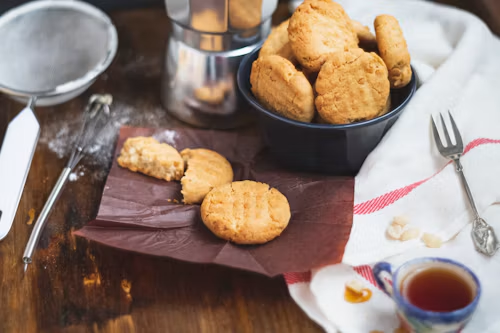
Biscuits are a popular snack in many British households. Whether enjoyed with a morning cup of tea, packed into a lunchbox or served to guests, they are an everyday treat for people of all ages. However, traditional biscuits often contain considerable amounts of added sugar, which has encouraged more people to explore alternative options.
Sugar free biscuits have become increasingly popular among people who want to reduce their sugar intake without giving up their favourite snacks. From chocolate-flavoured treats to traditional digestive-style biscuits, there are now plenty of varieties to explore.
But are sugar free biscuits actually healthier? Which options are suitable for people with diabetes? And can you make them at home? Understanding the ingredients, nutritional information and different varieties can help you make more informed choices.
What Are Sugar Free Biscuits?
Sugar free biscuits are biscuits made without added conventional sugar, such as regular table sugar. Instead, manufacturers may use alternative sweeteners to provide sweetness while reducing the amount of sugar in the finished product.
Common sweeteners used in these biscuits include:
- Maltitol: A sugar alcohol commonly used in biscuits and chocolate products.
- Erythritol: A low-calorie sweetener that occurs naturally in some fruits.
- Stevia: A plant-derived sweetener used in various reduced-sugar food products.
- Sucralose: A high-intensity sweetener used in small quantities.
- Isomalt: A sugar alcohol frequently found in sugar-free confectionery.
Different sweeteners have different properties, so the taste and texture can vary between products. Some biscuits have a flavour very similar to traditional varieties, while others may have a slightly different aftertaste.
It is also important to understand that sugar free does not automatically mean carbohydrate-free or calorie-free. Flour, starches and fats can still contribute to the nutritional content.
Are Sugar Free Biscuits Healthy?
One of the most common questions people ask before purchasing these products is whether sugar free biscuits are healthy.
The answer depends on the ingredients, portion size and overall nutritional profile.
For someone trying to reduce added sugar, choosing a biscuit made without conventional sugar may be a useful alternative. However, removing sugar does not necessarily make a product nutritionally superior.
Here are some factors worth considering:
1. Check the Total Carbohydrate Content
Sugar is only one part of a biscuit’s carbohydrate content. Ingredients such as wheat flour, starch and other grains can still contribute carbohydrates.
This is particularly important for people monitoring their blood glucose levels.
2. Look at the Fat Content
Some sugar free biscuits contain butter, vegetable oils or other fats to create their texture and flavour. Check the saturated fat content when comparing different products.
3. Pay Attention to Sweeteners
Sugar alcohols such as maltitol can cause digestive discomfort, including bloating or a laxative effect, when consumed in large quantities.
Reading the ingredients list can help you understand which sweeteners are used.
4. Consider Portion Sizes
Even when a biscuit contains no added sugar, eating large quantities can increase overall calorie and carbohydrate intake.
A sensible serving size is an important part of enjoying biscuits as an occasional snack.
Ultimately, the best approach is to compare the full nutritional information rather than choosing a product based on its sugar content alone.
Sugar Free Biscuits for Diabetics: What Should You Look For?
People living with diabetes often pay close attention to the carbohydrate and sugar content of their food. This has increased interest in sugar free biscuits for diabetics, particularly among those looking for alternatives to conventional sweet snacks.
However, sugar free does not automatically mean suitable for everyone with diabetes.
When choosing biscuits, consider the following:
Total carbohydrates: Check the carbohydrate information per serving, as carbohydrates can affect blood glucose levels.
Fibre content: Biscuits containing wholegrain ingredients may provide more fibre than varieties made with refined flour.
Sweeteners: Different sweeteners can affect digestion differently. Products containing sugar alcohols may not suit everyone.
Serving size: Compare the nutritional information with the amount you actually intend to eat.
What Are the Best Sugar Free Biscuits for Diabetics?
There is no single best option for everyone. The most suitable choice depends on individual dietary requirements, taste preferences and blood glucose management.
Several varieties are worth exploring:
- Digestive-style biscuits: A familiar option for people who enjoy traditional tea-time snacks.
- Plain sugar free biscuits: Useful for those who prefer a simple flavour without chocolate or additional fillings.
- Chocolate biscuits: An alternative for people who enjoy sweeter snacks but want to explore products without conventional added sugar.
- Wholegrain varieties: These may offer additional fibre, depending on their ingredients.
People managing diabetes should always check the complete nutritional label and consider advice from their healthcare professional when making dietary choices.
Popular Sugar Free Biscuit Brands to Explore
The growing demand for reduced-sugar snacks has encouraged manufacturers to introduce a wider range of biscuit options. Some brands focus specifically on sugar-free products, while others offer selected varieties for people looking to reduce their sugar intake.
Gullón Sugar Free Biscuits
Gullón is a well-known biscuit manufacturer with a range of products designed for different dietary preferences.
Gullón sugar free biscuits are worth exploring for people who want alternatives to conventional sweet biscuits. The range includes different styles and flavours, making it easier to find something suitable for individual preferences.
Depending on the product, shoppers may find digestive-style biscuits, chocolate options and other varieties.
As with any packaged snack, it is worth checking the individual product label because ingredients and nutritional values can differ across the range.
Diablo Sugar Free Biscuits
Diablo is another brand associated with sugar-free sweet treats. Its product range includes different chocolate and biscuit options for people who enjoy sweet snacks but prefer alternatives to traditional sugar-based products.
For anyone exploring sugar free biscuits, Diablo products offer another category to consider when comparing flavours, sweeteners and nutritional information.
Checking the ingredients is particularly useful when choosing between chocolate-coated, filled and plain varieties.
Farmhouse Sugar Free Biscuits
Farmhouse is another name worth considering when exploring sugar-free biscuit options.
Its biscuit selection provides an alternative for people who enjoy traditional-style snacks. For everyday occasions, these products can be considered alongside other sugar-free varieties when comparing taste, ingredients and portion sizes.
Whether you prefer a simple biscuit with tea or something sweeter for an afternoon treat, comparing different varieties can help you discover options that match your preferences.
Easy Sugar Free Biscuits Recipes You Can Make at Home
Packaged biscuits are convenient, but making your own at home gives you greater control over the ingredients, sweetness and portion sizes.
If you enjoy experimenting in the kitchen, these easy sugar free biscuits recipes are worth trying.
Recipe 1: Simple Homemade Sugar Free Biscuits
This basic recipe uses everyday ingredients and a suitable alternative sweetener.
Ingredients:
- 150g plain flour
- 60g unsalted butter
- 30g erythritol or another suitable baking sweetener
- 1 egg
- Half a teaspoon of vanilla extract
- Half a teaspoon of baking powder
Method:
- Preheat the oven to 180°C.
- Mix the butter and sweetener in a bowl until combined.
- Add the egg and vanilla extract.
- Gradually add the flour and baking powder.
- Mix until a soft dough forms.
- Roll the dough and cut it into small biscuit shapes.
- Place on a lined baking tray.
- Bake for approximately 12–15 minutes or until lightly golden.
- Allow the biscuits to cool before serving.
These biscuits are simple to prepare and can be enjoyed with tea or coffee.
Recipe 2: Homemade Sugar Free Chocolate Biscuits
For chocolate lovers, this recipe offers a simple way to prepare homemade biscuits without conventional added sugar.
Ingredients:
- 120g plain flour
- 20g unsweetened cocoa powder
- 60g unsalted butter
- 35g suitable granulated sweetener
- 1 egg
- Half a teaspoon of vanilla extract
- Half a teaspoon of baking powder
Method:
- Preheat the oven to 180°C.
- Combine the butter and sweetener in a mixing bowl.
- Add the egg and vanilla extract.
- Sift in the flour, cocoa powder and baking powder.
- Mix until the ingredients form a smooth dough.
- Shape the mixture into small biscuits.
- Arrange them on a baking tray with enough space between each biscuit.
- Bake for approximately 10–12 minutes.
- Leave them to cool before enjoying.
Both recipes can be adjusted to suit personal taste. However, homemade biscuits still contain carbohydrates and calories, so portion sizes remain important.
Sugar Free Biscuits Recipes: Tips for Better Results
Making biscuits with alternative sweeteners can sometimes require a little experimentation. Conventional sugar contributes more than sweetness; it also affects browning, moisture and texture.
Keep these tips in mind when preparing homemade biscuits:
- Choose a sweetener specifically designed for baking.
- Follow the recommended conversion ratio when replacing sugar.
- Avoid adding too much flour, as this can make biscuits dry.
- Allow freshly baked biscuits to cool before storing them.
- Experiment with vanilla, cinnamon or cocoa powder for additional flavour.
- Store homemade biscuits in an airtight container.
It is also worth remembering that different sweeteners behave differently when heated. The final texture may not be exactly the same as a traditional sugar-based biscuit.
How to Choose the Right Sugar Free Biscuits in the UK
The UK market offers a growing selection of sugar-free and reduced-sugar snacks. However, choosing the right product requires more than looking at the packaging.
Here are a few practical points to consider when comparing sugar free biscuits UK shoppers can find:
Read the ingredient list: Understand which sweeteners, flours and fats have been used.
Compare nutritional values: Look at sugar, carbohydrates, fibre, saturated fat and calories per serving.
Choose flavours you enjoy: Plain, digestive, chocolate and other flavoured varieties provide different experiences.
Check the serving recommendation: A suitable portion can help you enjoy biscuits as part of a balanced diet.
Compare different brands: Products from Gullón, Diablo and Farmhouse may have different ingredients, flavours and nutritional profiles.
Taking a little time to compare options can make shopping easier and help you find biscuits that suit your dietary preferences.
Final Thoughts
Sugar free biscuits provide another way to enjoy familiar sweet snacks while reducing conventional sugar intake. With different brands, flavours and homemade recipes available, there are plenty of options to explore.
However, it is important to look beyond the sugar-free label. Carbohydrate content, ingredients, sweeteners, portion sizes and overall nutritional value all play a role in determining whether a particular biscuit fits your dietary needs.
Whether you are exploring Gullón sugar free biscuits, comparing Diablo varieties, considering Farmhouse products or trying easy homemade recipes, making informed choices is the best way to enjoy biscuits sensibly.
A balanced approach allows you to enjoy your favourite treats while remaining mindful of your overall eating habits.
 nDir