
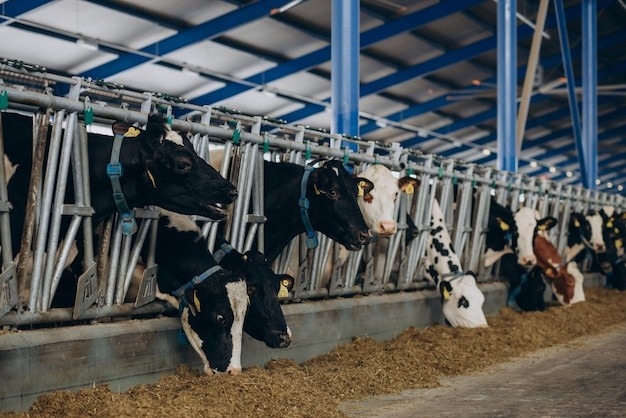
Livestock nutrition plays an important role in animal health, growth, reproduction, and farm productivity. When animals do not receive the right balance of nutrients, changes can appear in their growth, appearance, behavior, and performance. A good feeding program should provide suitable amounts of energy, protein, minerals, vitamins, and clean water. Recognizing early warning signs can help farmers improve nutrition before problems become more serious and support healthier, more productive animals.
1. Slow or Uneven Growth
One of the clearest signs of an inadequate feeding program is slow or uneven growth. Young animals should develop steadily according to their species, breed, age, and purpose.
If some animals are noticeably smaller or lighter than others of the same age, their nutritional requirements may not be fully met. Poor-quality livestock feed, insufficient portions, or an unbalanced diet can contribute to slow development.
2. Changes in Body Condition
Body condition provides useful information about whether animals are receiving appropriate nutrition. Livestock that appear unusually thin may not be receiving enough energy or protein. On the other hand, excessive weight may indicate that animals are receiving more energy than they require.
Farmers should regularly observe body condition and adjust feeding amounts according to age, activity level, production stage, and health status. Maintaining suitable body condition can support normal growth, productivity, and long-term animal health.
3. Dull Coats or Poor Appearance
A balanced diet can contribute to a healthy-looking coat, skin, and overall physical appearance. If animals develop dull, rough, or dry coats, their nutritional intake may be one factor worth reviewing.
Livestock feed should provide the nutrients needed to support normal physical condition. However, poor appearance can also result from parasites, illness, weather conditions, stress, or inadequate housing.
Farmers should therefore consider several possible causes instead of assuming that nutrition is the only reason for visible changes.
4. Reduced Activity or Appetite
Changes in normal behavior may also indicate that something needs attention. Animals that become less active, lose interest in food, or spend more time resting may be experiencing nutritional, environmental, or health-related problems.
Farmers should check whether feed is fresh, available in sufficient quantities, and suitable for the animals. Clean drinking water and consistent feeding schedules are also important. If appetite or activity remains abnormal, professional veterinary advice can help identify the underlying cause.
5. Lower Production or Reproductive Performance
A feeding program can strongly influence production and reproductive performance. Dairy animals may experience reduced milk production, while growing livestock may gain weight more slowly than expected.
Breeding animals may also experience reproductive difficulties when their nutritional needs are not properly supported.
Final Thoughts
Recognizing changes in growth, body condition, appearance, appetite, productivity, and health can help farmers determine when their feeding program needs improvement. Instead of making major dietary changes based on one symptom, it is better to review the animals’ complete nutritional requirements and daily routine. A veterinarian or qualified livestock nutrition professional can provide guidance for creating a balanced program suited to the animals and farm conditions.