
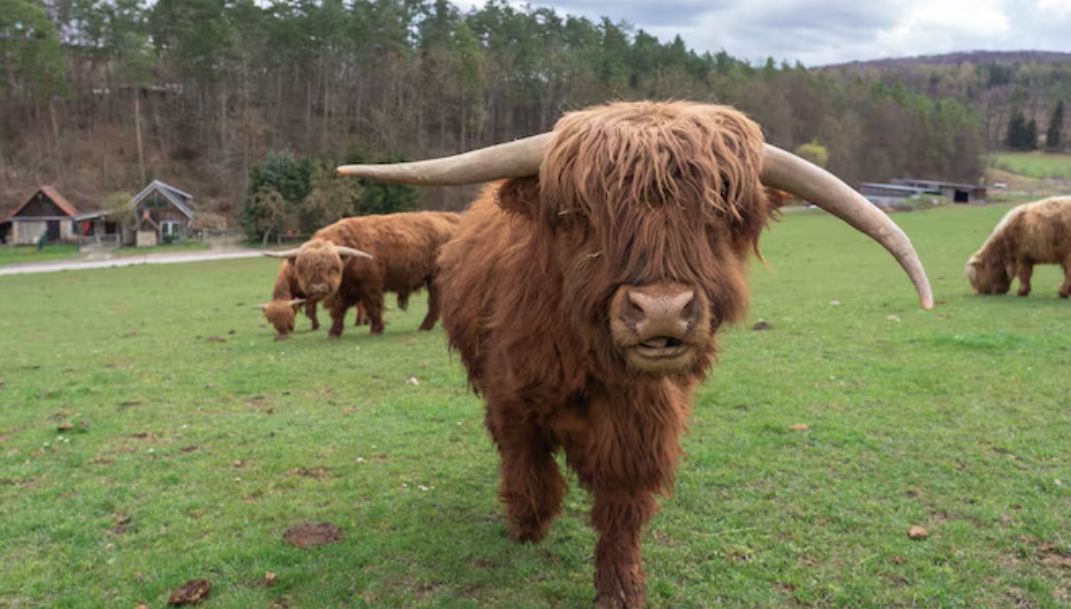
Miniature Highland cattle have become increasingly popular among smallholders and hobby farmers due to their gentle temperament, manageable size, and iconic appearance.
Bringing one of these charming animals into your life is a significant commitment that requires careful preparation and research.
Before searching for a healthy animal, it is vital to understand the specific needs, legal requirements, and logistical aspects of responsible ownership.
This article explores key factors to consider when looking for a mini highland for sale to ensure a successful and rewarding experience.
Assessing Your Available Land and Resources
While miniature breeds require less acreage than standard cattle, they still need adequate space to thrive.
You must evaluate your pasture quality, fencing integrity, and shelter availability before finalizing your purchase. These animals are social creatures that generally prefer to live in pairs or small groups rather than isolation.
Ensuring you have the infrastructure to support their nutritional and exercise needs is the first step in responsible ownership. Assessing your resources helps guarantee that you can provide a safe environment for your new animals.
Researching Breeders and Reputation
The source of your animal is arguably the most critical aspect of your search. A reputable breeder will prioritize the long-term health, genetic diversity, and temperament of their herd.
When looking for a mini highland for sale, always ask for health records, genetic testing results, and references from previous buyers.
Transparency regarding the animal’s lineage and any potential hereditary conditions is a hallmark of a professional breeder.
Taking the time to visit the farm in person allows you to observe the living conditions and the general health of the herd.
Understanding Health and Temperament
A healthy animal should have a glossy coat, bright eyes, and a curious, active demeanor. Temperament is particularly important for smallholders who may have children or other pets on the farm.
Highland cattle are known for being docile, but early handling and socialization play a huge role in how they interact with humans. When you find a promising mini highland for sale, spend time observing the animal’s behavior.
A well-socialized animal will be much easier to manage, groom, and transport, making your journey as a new owner significantly more pleasant.
Legal Requirements and Local Regulations
Before bringing any livestock home, you must be fully aware of the local agricultural regulations, zoning laws, and animal identification requirements in your area.
Many regions have strict rules regarding herd registration, movement permits, and even the minimum number of animals allowed on a specific plot of land.
Consulting with your local agricultural department or veterinarian will help you navigate these requirements, ensuring you remain in full compliance with all relevant laws and preventing any future logistical complications for your farm.
Veterinary Support and Nutrition
Highland cattle possess a unique metabolism and specific dietary requirements compared to other breeds.
You must have access to a veterinarian experienced in handling large animals and specifically familiar with the breed’s health needs.
Planning for routine care, such as vaccinations, hoof maintenance, and parasite control, is essential for their longevity.
When evaluating a potential mini highland for sale, confirm that the animal has received all necessary care to date.
Establishing a relationship with a trusted vet before the cow arrives ensures you are prepared for any health situation.