
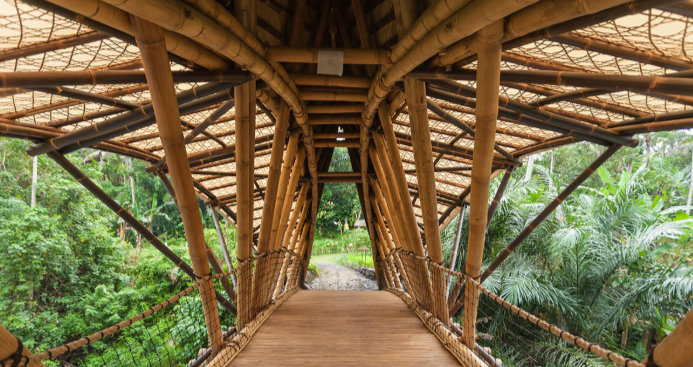
Timber bridges have been around for centuries. They are strong, flexible, and often cheaper to build than concrete or steel bridges. Many small towns and rural areas still use timber bridges because they are perfect for short spans and are friendly to the environment.
But building a timber bridge takes careful planning and attention to detail. If you don’t follow the right steps, the bridge can quickly wear out or even become unsafe. In this article, we will look at five simple but important tips to help you build a strong and long-lasting timber bridge.
1. Choose the Right Type of Wood
One of the most important steps in timber bridge construction is selecting the right kind of wood. Not all types of timber are good for outdoor use. You need wood that can handle rain, sun, insects, and heavy weight.
Hardwoods like oak and softwoods like Douglas fir or southern yellow pine are popular choices because they are strong and durable. Some wood may also be treated with special chemicals to protect it from rot and pests.
2. Pay Attention to the Design
The design of the bridge plays a big role in how safe and stable it will be. A good design spreads the weight across the entire structure so that no one part becomes too weak. It should also allow water to drain easily so that the wood does not stay wet for too long.
Some timber bridges are built using trusses or arches to make them stronger. You should work with an engineer or experienced designer to make sure the bridge can carry the expected load.
3. Prepare a Strong Foundation
Even the best timber will not help if the bridge has a weak foundation. The base must be able to support the weight of the bridge and the traffic that will cross it. You may need to dig deep footings or use concrete pads to support the timber.
Make sure the ground is solid and not likely to shift or flood. A poor foundation can cause the entire bridge to tilt or collapse over time. Always test the soil and build a stable base before putting up the wooden structure.
4. Use Proper Fasteners and Joints
How you connect the pieces of wood together is just as important as the wood itself. Use strong bolts, plates, and nails that are made for outdoor use. Some metals can rust over time, which weakens the bridge.
So it’s best to use stainless steel or galvanized fasteners. The joints should be tight and well-fitted so the wood doesn’t move or come loose.
5. Plan for Regular Maintenance
Timber bridges need regular care to stay safe and strong. Over time, weather can damage the wood or fasteners. You should inspect the bridge at least once a year to check for cracks, rot, or loose parts. Clean away leaves and dirt so water doesn’t build up.
If any parts are damaged, replace them right away. A little maintenance goes a long way in keeping the bridge in good shape for many years.
Conclusion
Building a timber bridge may seem simple, but it takes careful planning and good workmanship to make it last. By choosing the right wood, designing the structure properly, building a solid foundation, using quality fasteners, and doing regular maintenance, you can create a bridge that is strong, safe, and beautiful. These five tips are easy to follow and will help make any timber bridge project a success.